
Older, historic and period properties (Pre-1919) will undoubtedly suffer from a degree of damp. Nothing lasts forever. But, despite the English climate and its impacts, older buildings endure longer than newer homes. We humans are the worst adversary of heritage buildings. It is what we do to them, and what we don’t understand about them, that causes issues. Or worse, leads you to believe you need to “damp proof” incorrectly. In fact, condensation and inadequate ventilation are almost always to blame for damp problems in these types of structure.
We have compiled some useful information below regarding damp in older houses.
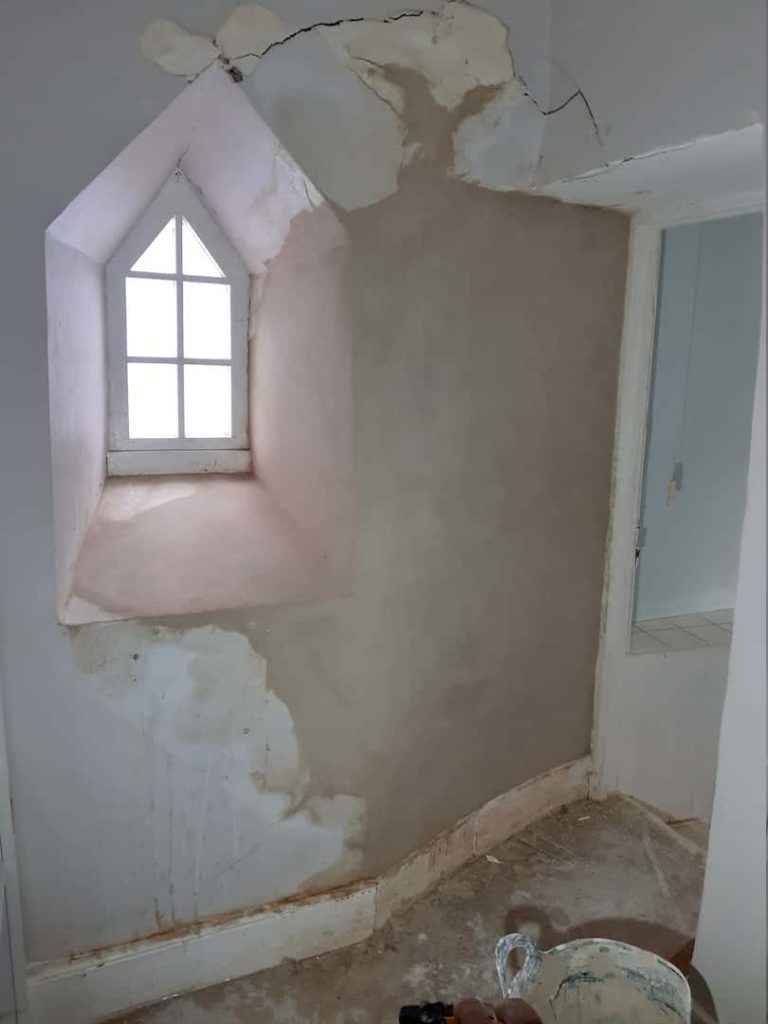
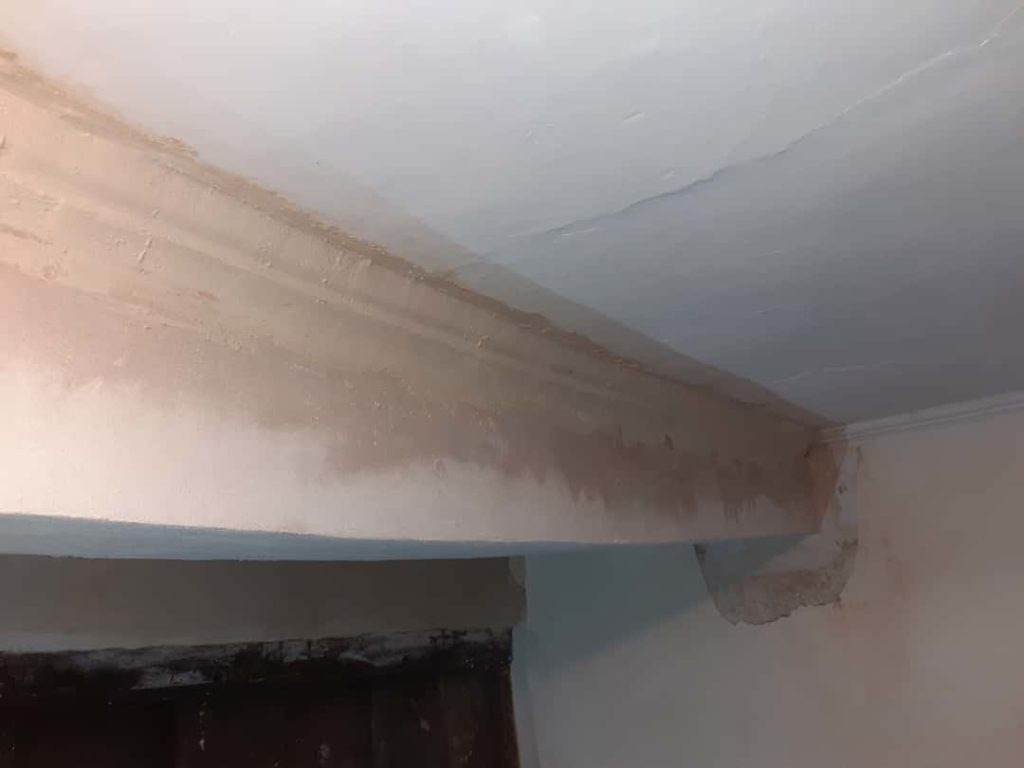
What we generically refer to as ‘damp’ actually refers to a number of symptoms resulting from a combination of water presence and changes in air temperature. When gaseous H2O cools, it turns to liquid. In its gas form it can permeate solid surfaces with ease, but if it cools it can form a liquid. When this occurs while it is inside the wall, it results in ‘damp’. The symptoms can broadly include:
Contrary to popular belief, ‘damp proofing’ your heritage property can do more harm than good and ‘rising damp’ is fictitious! In fact, if you have been offered services to address this, I recommend you refer to our dispute services page, as you have potentially been mis-sold. Compromising your historic building’s ability to breathe is highly detrimental, and hiring someone to carry out such services is ill-advised. Instead, you should contact specialists such as ourselves for professional consultancy and project management to help you treat any natural damp problems in properties of this kind.
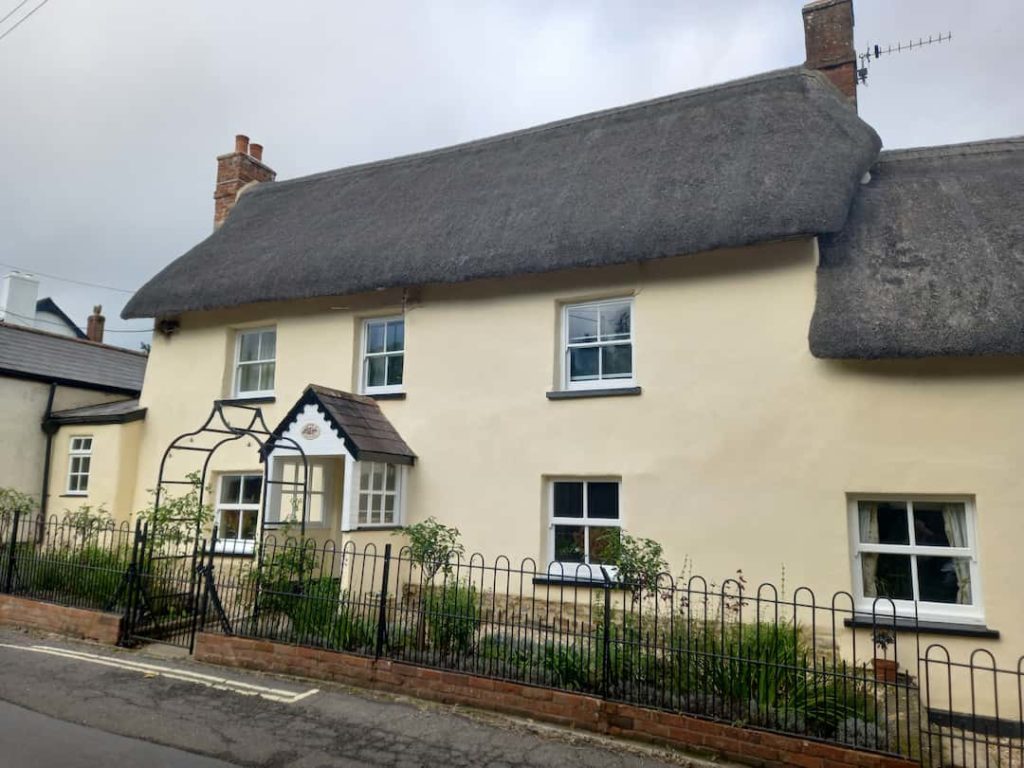
As with damp proofing, insulating your heritage property with synthetic materials can increase the likelihood of damp occurring, causing detrimental problems to your property’s structure. Synthetic materials won’t allow the building to breathe, making damp more prevalent. When it comes to insulating your historic building, we would suggest looking into the use of natural insulation such as sheep wool or other natural alternatives, to ensure your building is insulated effectively and protected.
Understanding the environment and how it influences the materials used to build a historic house is essential to its restoration. The management of issues producing dampness is made reasonably simple once this is understood.
“Breathability” is the key! If moisture can enter and exit the building fabric without difficulty, it will never accumulate. Water is simply water that has condensed; if you let water circulate freely as a gas, it won’t ever be a problem. If you put something in its path, damp symptoms will develop. As such, temperature management, and keeping water in its gas state, plays an important role in protecting your property for the long-term.
For expert advice and consultancy services regarding problematic natural damp in your heritage or cob property, call us at Holman & Co. today for a no-obligation discussion.
© 2022 - Search4local Ltd. The content of this website is owned by us and our client; copying of any content (including images) without our consent is in breach of our Terms & Conditions. | All rights Reserved
Important information before viewing your draft website:
Please find your draft website for review. We understand that you may wish to make some changes to your draft site. In order to help you get your new website live as soon as possible, we limit amends to two rounds where possible.
Your account manager will be in touch in the coming days to arrange a suitable time to run through the primary changes with you in detail. Once these are completed, you will have an opportunity to address any final tweaks before we request sign-off.
The go live process
Once we have received sign-off, our go live process involves:
By viewing the website draft you are confirming that you have read and agree to the information above.
Please note the design can vary across desktop and mobile devices. To view all of your pages, please use the navigation menu in the website footer.
If you have any questions, please contact your Project Manager or Business Development Manager.