Climate change and other environmental shifts can impact the integrity of historic and heritage buildings. Understanding how fluctuations could affect your structure can better prepare owners to take mitigating action. A number of issues were raised by the government’s 2017 Climate Change Risk Assessment that, if left unaddressed, could have a significant impact on historic structures in the UK. If your property is affected, read more below or contact us to arrange expect consultancy services.
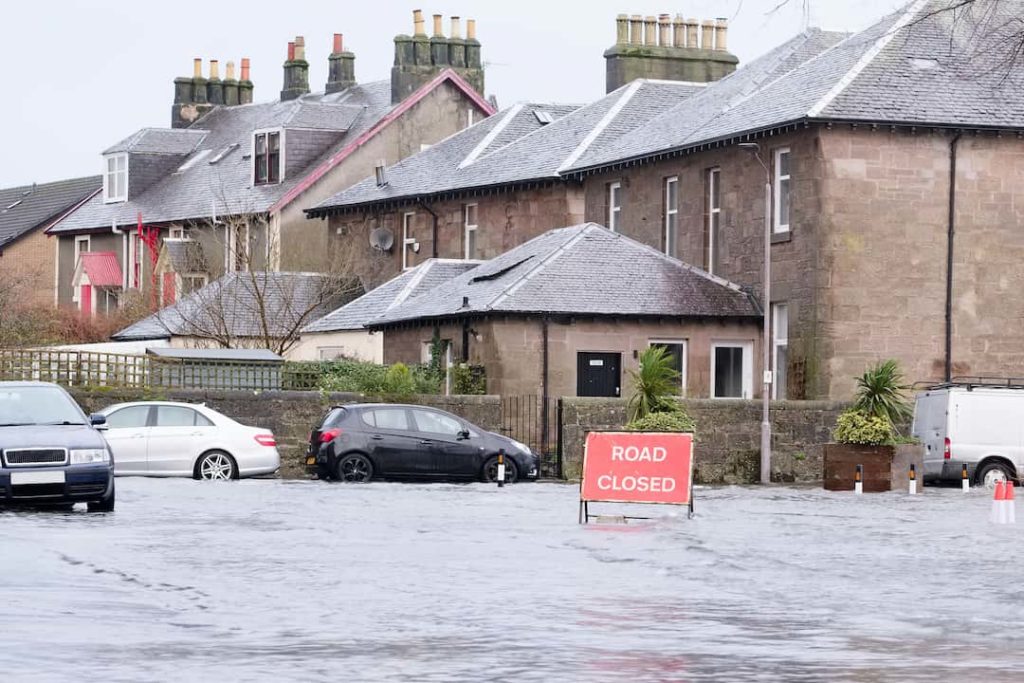
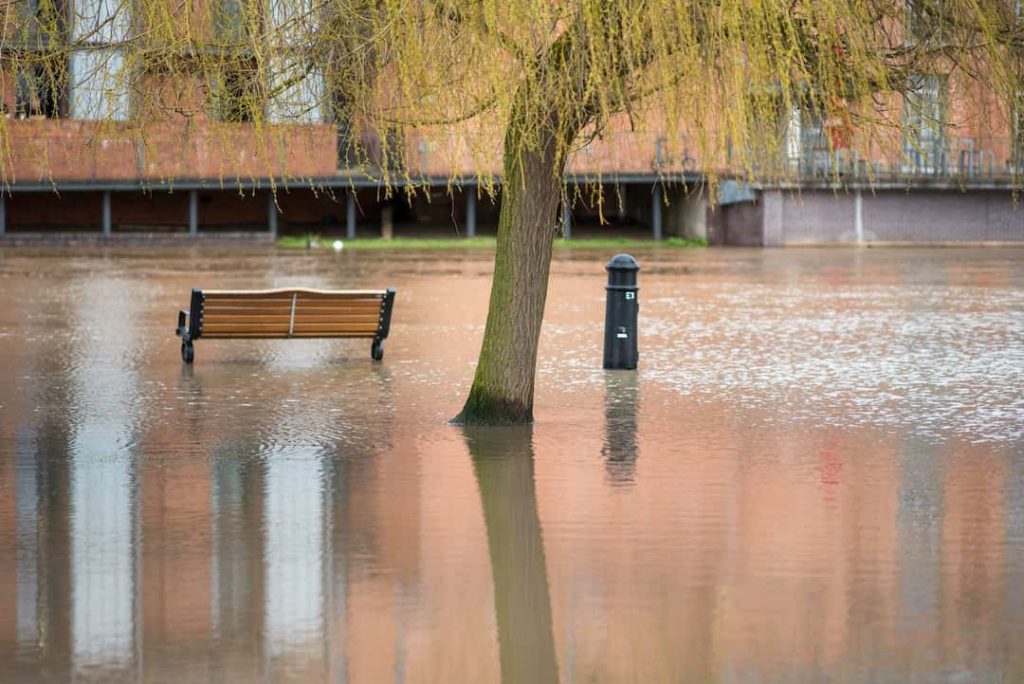
Rainfall is increasing, especially during the winter, resulting in greater flooding, rising sea levels, and water intrusion. This poses a serious hazard to our historic structures. Historical rainwater systems may not be able to handle heavy rain, which makes it easy for water to flood the interior and compromise the building structurally. To avoid this, it is essential to maintain and clean drainage systems regularly. It may even be necessary to update your drains.
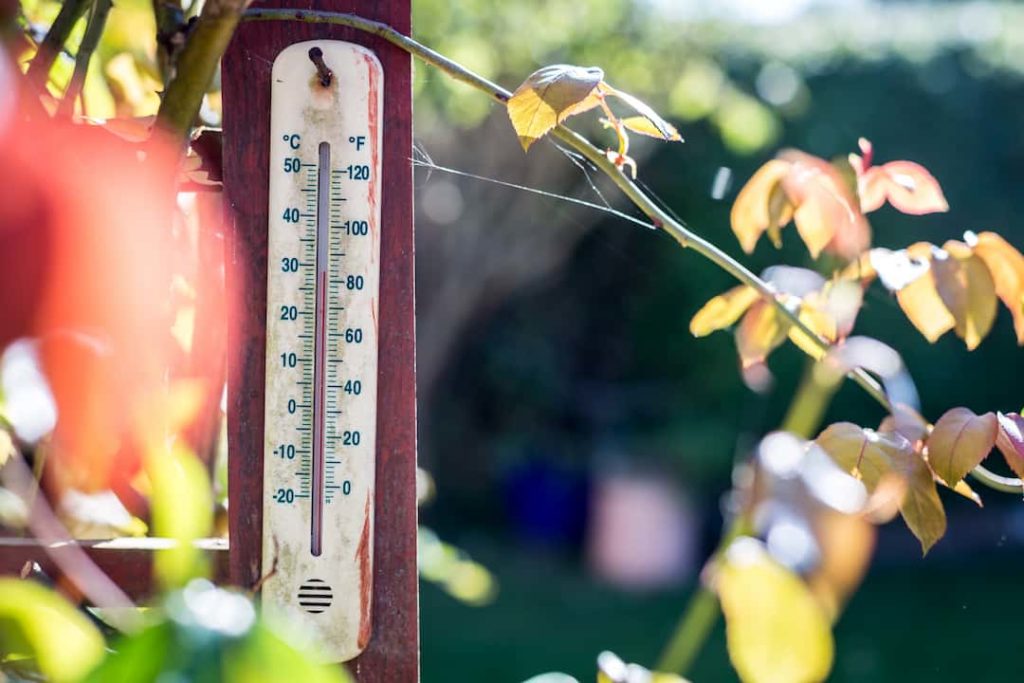
Over the past century, the average temperature has increased by 1 °C. Although this may not appear to be a large rise, the consequences are profound. Buildings can have structural problems as a result of temperature changes because different materials react to temperature changes differently. Increasing temperatures can hasten the degradation of materials and lead to shrinkage of natural construction materials, particularly in drought conditions. When historic structures are converted for modern usage, air conditioning, heating, and ventilation systems are typically installed as standard equipment to assist stabilise a building’s temperature.
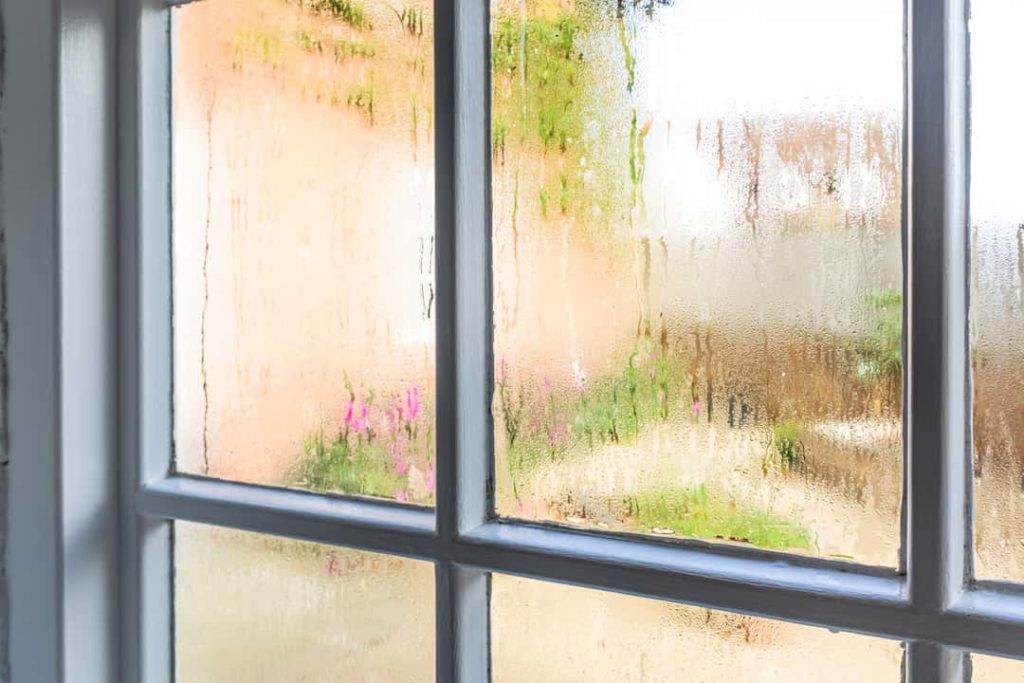
A more humid climate, prompted by the increases in both rainfall and temperature, is conducive to fungus growth and insect and pest infestations. They all have the potential to seriously harm a building’s structure, with fauna growth on a historic building’s exterior particularly problematic. A building’s humidity can also cause damp symptoms and destroy historic structures.
Strong winds and storm conditions, pose a threat to buildings as well as to the security of those who occupy or are in proximity to them. Historic roofs are at greater risk of sustaining damage, and falling tiles are a health and safety risk. Storm-force winds may also smash windows, awnings, and other features, and if trees fall, they may inflict additional harm to building exteriors.
The government is looking into potential remedies due to climate change posing such a serious risk to historically valuable buildings and landscapes. Another key area of focus for their research is the danger of wind and rain to building materials.
For expert advice and consultancy services regarding climate and environmental impacts on your heritage or cob property, call us at Holman & Co. today for a no-obligation discussion.
© 2022 - Search4local Ltd. The content of this website is owned by us and our client; copying of any content (including images) without our consent is in breach of our Terms & Conditions. | All rights Reserved
Important information before viewing your draft website:
Please find your draft website for review. We understand that you may wish to make some changes to your draft site. In order to help you get your new website live as soon as possible, we limit amends to two rounds where possible.
Your account manager will be in touch in the coming days to arrange a suitable time to run through the primary changes with you in detail. Once these are completed, you will have an opportunity to address any final tweaks before we request sign-off.
The go live process
Once we have received sign-off, our go live process involves:
By viewing the website draft you are confirming that you have read and agree to the information above.
Please note the design can vary across desktop and mobile devices. To view all of your pages, please use the navigation menu in the website footer.
If you have any questions, please contact your Project Manager or Business Development Manager.